 Of the articles reviewed, The Los Angeles Times featured the most colorfully written story. John M. Glionna clearly approached it as a feature and not from a hard-news angle. The founder of the whole grass-roots movement, was profiled painting a clear picture of the person behind the whole "Lights out San Francisco" movement. Glionna also used very descriptive words to paint images of the ideal outcome of this event (a dark starry night over San Francisco).
The San Francisco Chronicle took a soft news approach to this story, even featuring Nate Tyler's name (the even organizer) in the lead. Arguably, Tyler's name might be considered a household name in the Bay Area given he worked for Google and is a professional surfer. The Chronicle's story is short and more to the point; pale in contrast to the L.A. Time's version of the same story.
The Associated Press takes the most straight-news approach with a catchy lead and a very clear nut graph, getting to the point and showing numbers and figures involved.
-oScar
Los Angels Times: http://www.latimes.com/news/local/la-me-lightsout19sep19,0,2821623.story
San Francisco Chronicle: http://sfgate.com/cgi-bin/article.cgi?f=/c/a/2007/09/19/BUDUS8P5P.DTL
MSNBC/AP: http://www.msnbc.msn.com/id/20888714/
Technorati tags:
 San Francisco,
  energy conservation,

 Those understanding Wal-Mart corporate policy and culture will know that this is only being embraced as move to enhance the value of it's market share, and not out of genuine concern for the environment—Carbon Disclosure Project has been trying to work with Wal-Mart for many years, but they only recently accepted after being advised to do so by an image consulting firm. Of the three news sources noted only one addressed this point, MSNBC. One should note that CNNMoney.com simply replicated the Wal-Mart news release word-by-word.
 Wal-Mart
 Carbon Disclosure project
 The United Nations held its climate summit on Monday, an even attended by more than 150 nations' leaders, not including George Bush who chose to instead create his own climate get-together on Thursday and Friday.
  U.N. climate summit
 climate change
 George W. Bush
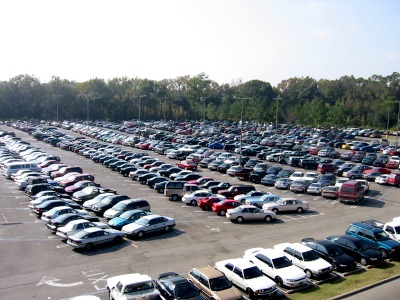 The problem with having so much parking is the resulting polluting run-off, the heat absorbed by the parking surfaces and then released at night and the reduced replenishment of local watersheds.
 automobiles
 parking
 pollution